Buildwise
Agile Methods Speed Up Construction Progress
By Buildwise Editorial3 min read
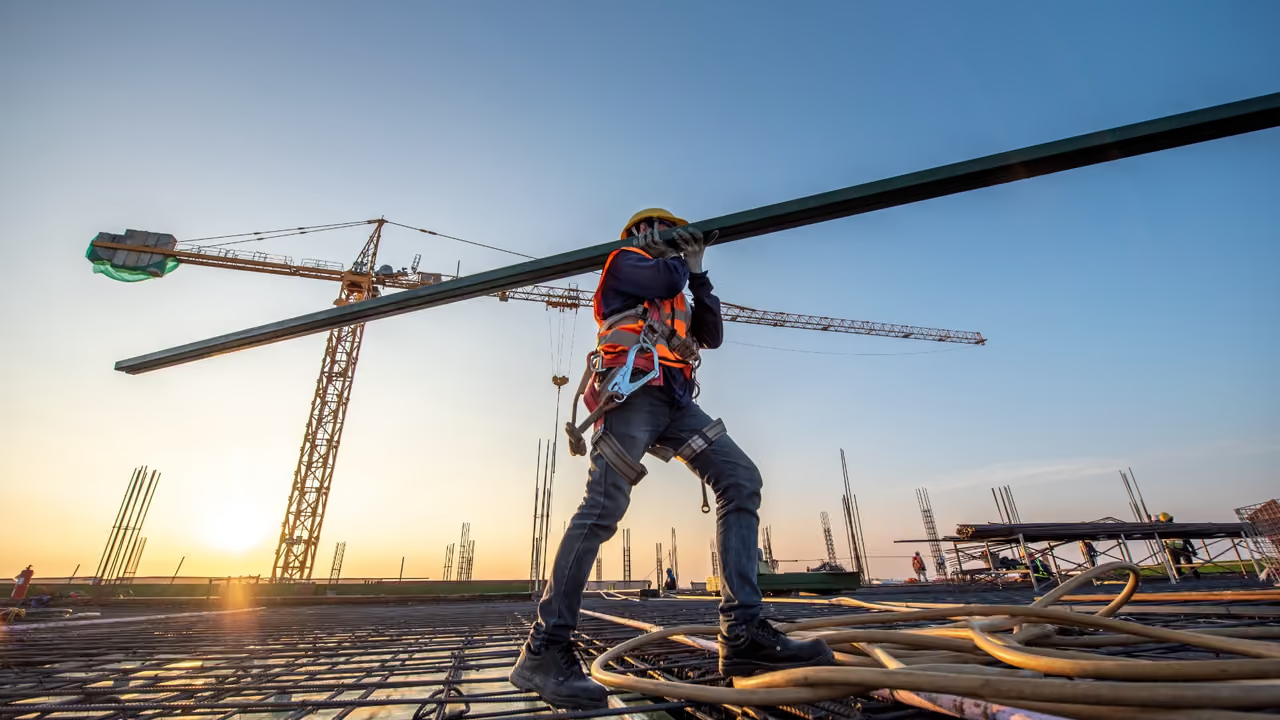
What if the principles that make software development projects nimble and efficient could be applied to construction sites? Construction projects have long been seen as slow-moving, rigid affairs, plagued by delays and cost overruns. Meanwhile, software teams embrace change, iterate rapidly, and keep communication flowing. Bringing project management techniques from software development into construction could unlock new levels of efficiency and adaptability.
Agile Methodologies Adapting to On-Site Changes Swiftly
Construction is notorious for unexpected challenges: weather disruptions, material shortages, last-minute design tweaks. Traditional project management often struggles to absorb these shocks without derailing timelines. Agile methodologies, born in software development, thrive on embracing change rather than resisting it.
At its core, Agile breaks projects into smaller, manageable pieces and focuses on delivering working components quickly. In construction, this means structuring work so teams can respond swiftly to on-site issues. Instead of rigidly sticking to a master plan, Agile encourages regular reassessment and adjustment.
For example, if a foundation inspection reveals unforeseen soil instability, an Agile-inspired team wouldn't be paralyzed. They'd regroup, revise the plan for the next phase, and move forward with minimal downtime. This flexibility reduces costly delays and keeps momentum going.
Continuous Feedback Loops Improving Quality and Communication
One of the biggest hurdles in construction projects is communication breakdown. Architects, engineers, contractors, and clients can all be out of sync, causing rework and frustration. Software teams use continuous feedback loops to keep everyone aligned and catch issues early.
Applying this to construction means instituting regular check-ins and reviews at every phase. Instead of waiting until the end of a stage to discover problems, teams gather feedback constantly—from site managers, inspectors, and stakeholders alike.
This ongoing dialogue improves quality by enabling quicker corrections. It also builds trust among diverse participants, as everyone feels heard and involved. The result? Fewer surprises, smoother workflows, and a final product closer to the original vision.
Iterative Planning Breaking Construction into Manageable Sprints
In software development, projects are divided into sprints—short cycles focused on specific deliverables. This approach breaks down overwhelming tasks into digestible chunks with clear goals and deadlines. Construction can benefit immensely from this mindset.
Instead of planning the entire build at once, teams can organize work into iterative segments. For instance, a sprint might focus on completing the framing of a particular floor or installing all plumbing fixtures in a zone. After each sprint, the team reviews progress and plans the next segment based on actual site conditions.
This iterative planning reduces risk by catching problems early and adapting plans accordingly. It also boosts morale, as teams see tangible progress regularly rather than waiting months for milestones. Managing construction in sprints introduces a cadence and clarity that traditional approaches often lack.
Cross-Disciplinary Collaboration Fostering Teamwork Between Architects Engineers and Builders
Software development projects often bring together diverse specialists—developers, testers, designers—to work closely throughout the process. This cross-disciplinary collaboration is key to innovation and problem-solving. Construction projects tend to be more siloed, with each discipline working in isolation until handoffs.
By breaking down these barriers and encouraging ongoing collaboration, construction teams can identify issues sooner and devise creative solutions. Architects can better understand real-world constraints from builders, while engineers can adjust designs based on early feedback from site supervisors.
Tools like integrated project management platforms and co-located workspaces can facilitate this interaction. Regular joint meetings and shared goals further nurture a collaborative culture. When everyone is aligned and engaged from start to finish, the entire project benefits.
Incorporating these software-inspired project management principles—Agile adaptability, continuous feedback, iterative planning, and cross-disciplinary teamwork—has the potential to revolutionize how construction projects are executed. It’s about making construction as dynamic and responsive as the digital projects shaping our world.