Buildwise
Building Smart to Reuse Materials Later
By Buildwise Editorial4 min read
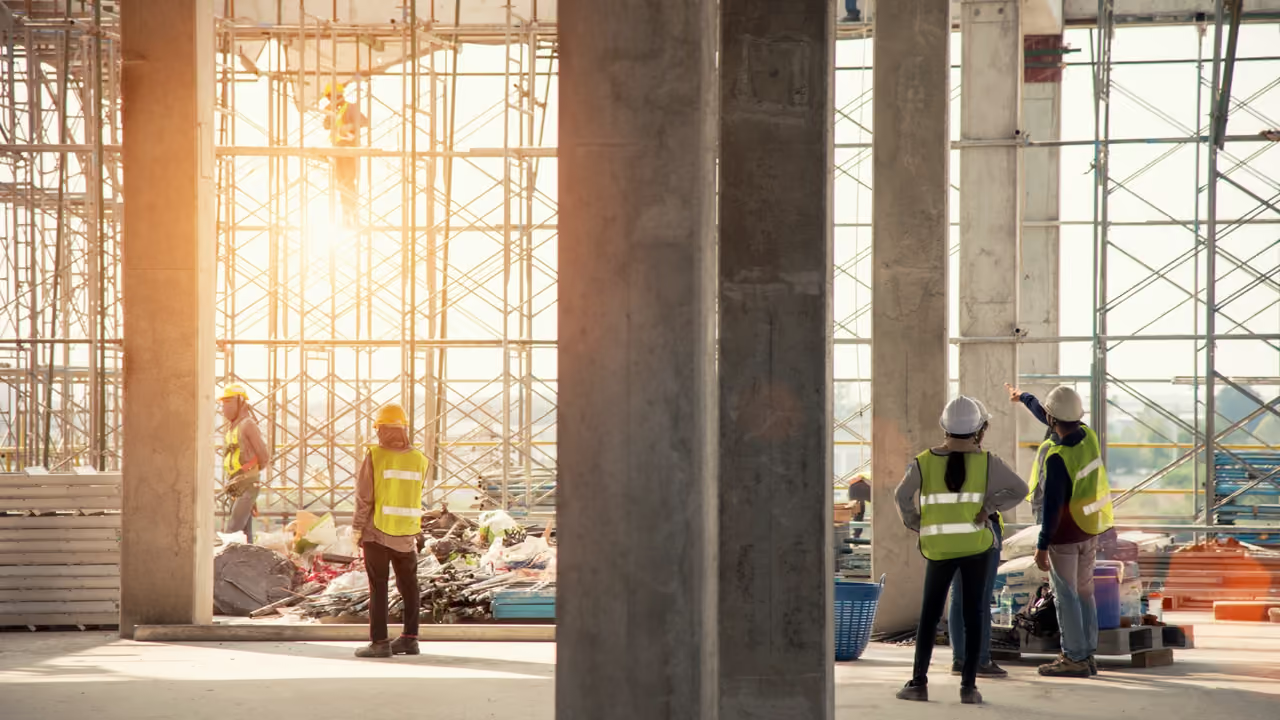
What if the buildings we design today could be tomorrow’s raw materials instead of landfill waste? Integrating circular economy principles from the very start of construction projects isn’t just a feel-good idea; it’s a practical strategy that can transform sustainability outcomes and slash costs.
Understanding circular economy principles in construction design
The traditional construction model follows a linear path: extract, build, use, discard. This approach generates mountains of waste and depletes finite resources. Circular economy flips this script. It’s about designing with the end in mind—thinking ahead to reuse, recycling, and regeneration.
In construction, circular economy principles mean:
- Designing for disassembly: Buildings structured so components can be taken apart easily without damage.
- Material selection: Choosing materials that are recyclable, biodegradable, or made from recycled content.
- Minimizing waste: Using precise measurements, modular designs, and off-site prefabrication to reduce offcuts and scraps.
- Extending lifespan: Designing durable, adaptable buildings that can evolve with changing needs.
- Closing loops: Creating supply chains where waste from one project feeds into another as input.
Practical strategies for architects and engineers to reduce waste and enable material reuse
Architects and engineers hold the blueprint for circularity. Their decisions on materials, construction methods, and building layouts directly affect waste generation and recyclability.
Prioritize modular and prefabricated construction
Modular components manufactured in controlled environments reduce errors and overuse of materials. Prefabrication also simplifies disassembly because parts are designed to fit together rather than be glued or welded permanently.
Specify materials with end-of-life in mind
Instead of choosing conventional concrete mixes that are hard to recycle, consider alternatives like timber engineered for structural use or recycled steel. Use product certifications that guarantee recyclability. Avoid composites that trap materials together.
Design adaptable spaces
Buildings that can be easily reconfigured reduce the need for demolition when functions change. Movable walls, raised floors, and flexible mechanical systems extend the building’s useful life and allow parts to be reused elsewhere.
Implement digital tools for precision
Building Information Modeling (BIM) helps optimize material quantities and sequences, reducing waste. BIM also records detailed information on materials and components, supporting future reuse or recycling efforts.
Collaborate early with suppliers and contractors
Engaging all stakeholders from the start ensures everyone understands the circular goals. Suppliers can suggest recyclable options, contractors can plan for dismantling, and waste managers can prepare recovery processes.
Case studies showing cost savings and environmental benefits from circular design
Real-world examples prove circular design isn’t just theory—it delivers measurable returns.
The Edge, Amsterdam
Dubbed the greenest office building in the world, The Edge was designed for flexibility and efficiency. Its modular facade panels are fully recyclable, and the building incorporates extensive use of recycled materials. The result: a 70% reduction in energy use compared to traditional offices and significant savings from lower material costs and waste disposal fees.
City of Helsinki’s Circular Construction Pilot
Helsinki experimented with circular design in public housing by using prefabricated timber modules and designing for easy disassembly. The project reduced construction waste by 60% and cut overall carbon emissions by nearly half. Cost savings came from reduced labor and materials, plus shorter construction timelines.
Västra Hamnen district, Malmö
Built on circular principles, this district focused on material passports and design for deconstruction. The initiative led to 80% of building materials being reused or recycled at end of life, dramatically reducing landfill and resource extraction. Developers reported improved community value and lower maintenance costs due to high-quality, durable materials.
Challenges and solutions for mainstreaming circular economy in the construction industry
Despite its advantages, circular economy adoption faces hurdles.
- Fragmented supply chains: Construction involves many players, making coordination tricky. Solution: Foster integrated project delivery models and early stakeholder engagement to align goals.
- Lack of standardized materials data: Without clear info on recyclability, it’s hard to plan reuse. Solution: Industry-wide adoption of material passports and digital tracking systems.
- Regulatory barriers: Building codes and certifications often don’t accommodate unconventional materials or designs. Solution: Advocate for updated regulations recognizing circular approaches.
- Perceived higher upfront costs: Circular design can seem more expensive initially. Solution: Emphasize long-term savings and environmental benefits to clients and investors.
- Skills gaps: Professionals may lack experience with circular methods. Solution: Invest in training and knowledge sharing across the industry.
Changing how we design and build requires more than good intentions—it demands practical shifts in mindset, tools, and collaboration. But when circular economy principles are woven into the DNA of construction projects right from the design phase, the payoff is buildings that serve us better and waste less.