Buildwise
Building Smarter with Climate Insights
By Buildwise Editorial4 min read
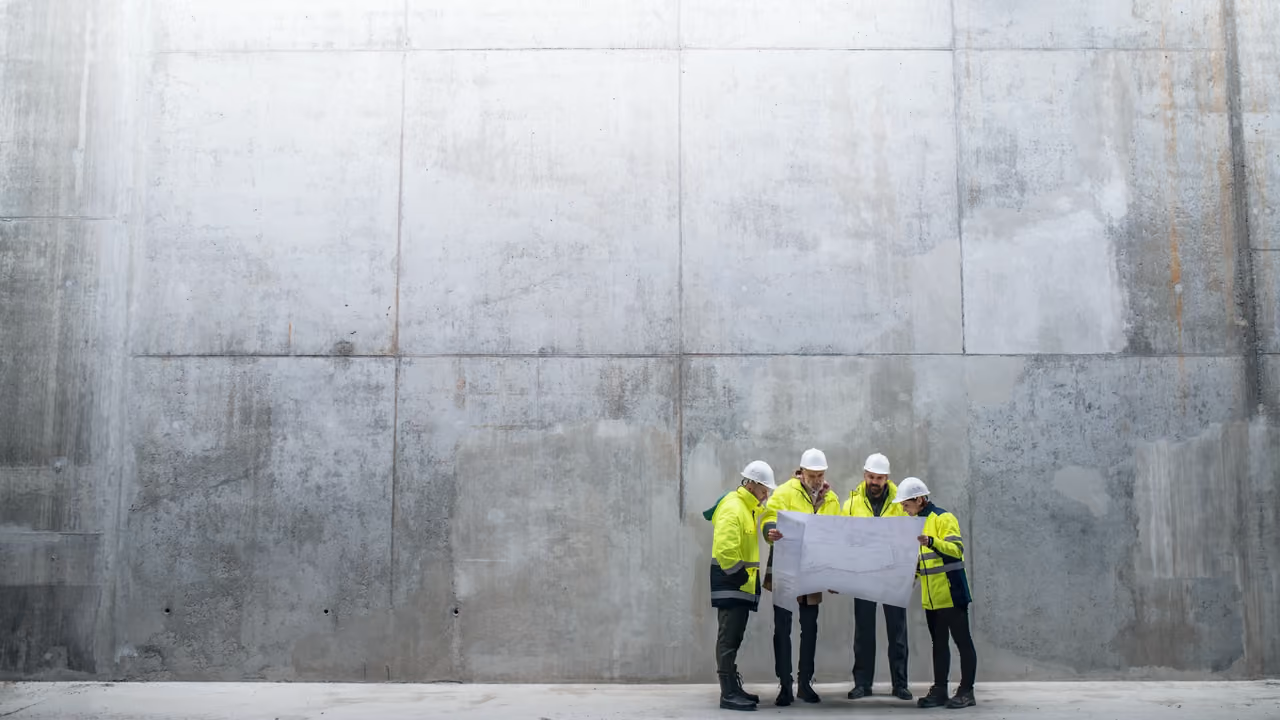
It’s common to see construction projects relying on familiar materials without much thought beyond cost and availability. Builders pick the same concrete mix, the same timber species, the same insulation types, sometimes across vastly different environments. Yet, the local climate profoundly affects how these materials perform over time. Ignoring this reality leads to premature wear, increased maintenance, and wasted resources.
Understanding the Limitations of Conventional Material Choices
Traditional material selection often follows a checklist: durability, cost, aesthetic appeal. What’s missing is a critical factor—how the materials interact with the specific climate they’re exposed to. For example, a wood species that thrives in a dry, temperate region may warp or rot quickly in a humid, coastal area. Similarly, concrete mixes designed without considering freeze-thaw cycles can crack and deteriorate in colder climates.
Materials don’t exist in a vacuum. Temperature fluctuations, humidity levels, precipitation patterns, solar radiation, and wind exposure all influence their longevity and performance. Conventional practices sometimes generalize these factors or apply broad regional standards that miss local nuances. This gap can lead to costly repairs and inefficient buildings that consume more energy due to materials failing to provide expected insulation or moisture resistance.
Leveraging Local Climate Data for Smarter Material Selection
Integrating detailed local climate data into material choice changes the game. Climate data includes long-term records of temperature ranges, rainfall amounts, seasonal humidity, solar exposure, and extreme weather events. When this data informs materials selection, builders can match materials to the challenges they’ll actually face.
Take humidity as an example. In areas with high average humidity, materials prone to mold or rot should be avoided or treated specifically against moisture. In regions with intense solar radiation, UV-resistant coatings or naturally UV-stable materials extend facade life. Freeze-thaw cycles require concrete mixes with air entrainment to prevent cracking.
Using climate data means going beyond generic standards to a tailored approach. This approach enhances durability by reducing the mismatch between material properties and environmental stressors. It also improves efficiency: buildings maintain thermal comfort better when insulation materials are selected with local temperature swings in mind, reducing heating and cooling loads.
Sources and Tools for Climate Data
- National Weather Services provide historical and current climate records.
- Climate mapping tools like the Köppen-Geiger classification offer broad climate zones useful for initial guidance.
- Local microclimate studies or meteorological stations can provide high-resolution data for specific sites.
- Building simulation software often integrates climate data to predict material performance under local conditions.
Case Studies Success Stories of Climate-Informed Materials
In coastal Florida, builders faced recurring issues with wood rot and corrosion due to high humidity and salt spray. By integrating precise local climate data, they switched to treated timber species and corrosion-resistant metal fasteners tailored for salt-laden humid air. The result was a significant drop in maintenance calls over five years.
In northern Canada, a construction firm used climate data to select concrete mixes with specific air entrainment designed for extreme freeze-thaw cycles. This choice prevented the cracking commonly seen in previous projects and extended the pavement life of roads and walkways around residential developments.
In the arid Southwest United States, architects used solar radiation data to select exterior cladding materials with high reflectivity and UV resistance, significantly reducing heat absorption and the building’s cooling energy needs during peak summer months.
Implementing Data-Driven Material Selection in Everyday Projects
Practically applying climate data to material choice starts with gathering reliable local environmental information early in the design phase. Architects, engineers, and contractors should collaborate to interpret this data and understand how it relates to material properties.
- Assess local climate variables: Identify temperature ranges, moisture levels, solar exposure, and any extreme weather risks.
- Match materials to climate stressors: Choose materials with proven resilience to those conditions or specify protective treatments.
- Use software tools: Run simulations to predict how materials will perform over the building’s expected lifespan.
- Consult local experts: Engage with suppliers and builders familiar with regional climate challenges and successful material strategies.
Even small projects can benefit from this approach. Selecting the right paint, sealant, or insulation for local conditions can improve building comfort and reduce future repair costs. Over time, as more projects adopt climate-informed material selection, the construction industry will build more durable, efficient structures that respect their environment rather than fight it.