Buildwise
Designing Spaces That Protect and Inspire
By Buildwise Editorial4 min read
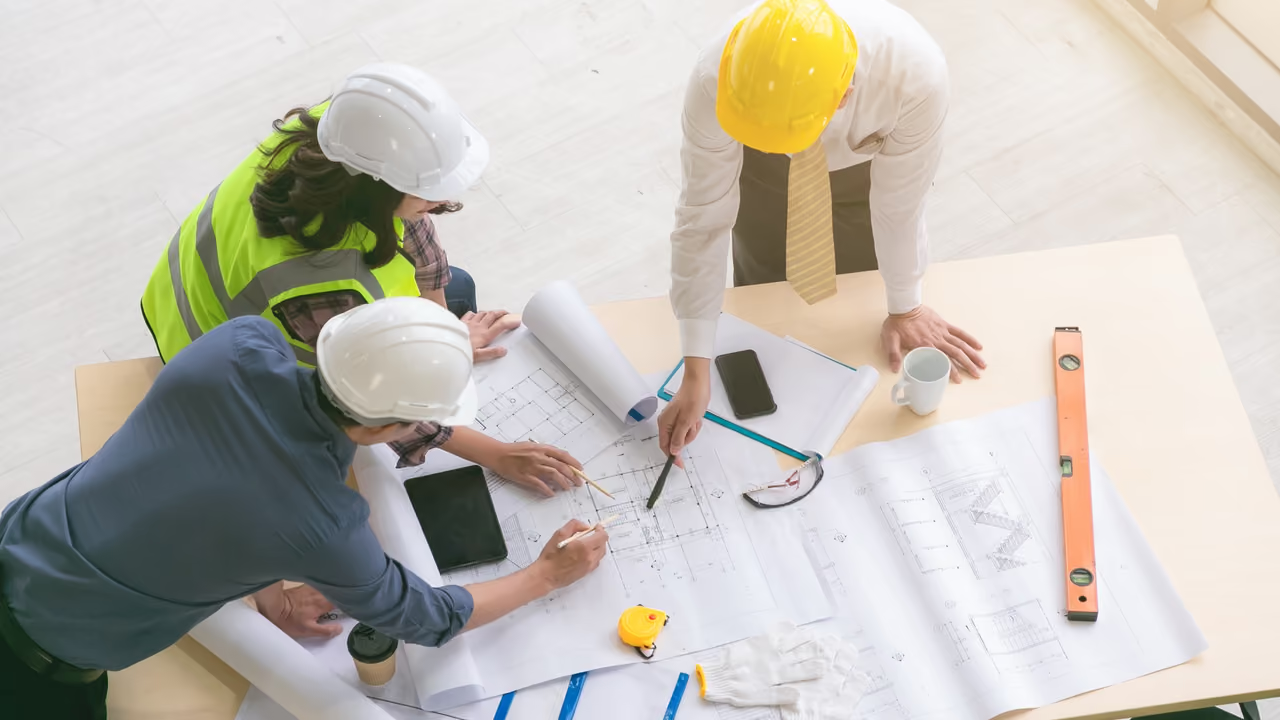
How often do we consider the invisible role that safety plays in shaping the places where we live, work, and gather? Architecture is not just about aesthetics or functionality; it is fundamentally about creating environments that protect and nurture human life. When safety is integrated into the core of architectural design, it doesn’t just prevent accidents—it actively enhances the well-being of every occupant.
Understanding the Role of Safety in Architectural Design
Safety is often thought of as a checklist to be ticked off—fire exits, handrails, emergency lighting. While these elements are vital, true safety in architecture goes beyond compliance. It’s about anticipating risks and embedding protective measures so seamlessly that occupants hardly notice them until they are needed. This proactive approach reduces hazards, mitigates injuries, and fosters a sense of security that impacts mental and physical health.
Architectural safety encompasses multiple dimensions: structural integrity, fire safety, accessibility, environmental health, and emergency preparedness. Each of these elements contributes to a holistic safety strategy. For example, structural safety ensures buildings withstand natural disasters, while accessibility features prevent injuries among people with mobility challenges. The integration of these considerations at the design stage is crucial because retrofitting safety features is often costly and less effective.
Key Design Principles That Prioritize Occupant Safety
Several design principles underpin a safety-first approach in architecture:
- Redundancy: Incorporating multiple safety systems, such as backup power and secondary evacuation routes, ensures continued protection even if one system fails.
- Visibility and Wayfinding: Clear signage, intuitive layouts, and sufficient lighting help occupants navigate spaces safely, especially during emergencies.
- Material Selection: Using non-toxic, fire-resistant, and durable materials reduces risks associated with fire, air quality, and structural failure.
- Ergonomics and Accessibility: Designing spaces that accommodate a diverse range of physical abilities prevents accidents and promotes inclusivity.
- Environmental Integration: Incorporating natural ventilation, daylighting, and green spaces contributes to occupant health and reduces hazards like mold or poor air quality.
- Emergency Preparedness: Designing for rapid evacuation and easy access for emergency responders can be lifesaving during crises.
Designing to Prevent Falls and Injuries
Falls are among the most common causes of injury in buildings. Thoughtful stair design with consistent riser heights, slip-resistant flooring, and strategically placed handrails can dramatically reduce these incidents. Open spaces should avoid sharp corners and tripping hazards, and furniture layout must allow clear pathways.
Fire Safety Embedded in Design
Beyond sprinklers and alarms, fire safety can be enhanced through compartmentalization—creating fire-resistant zones that contain blazes and smoke. Designing stairwells that are pressurized to keep smoke out, and placing exits within a reasonable distance, ensures occupants can evacuate quickly and safely.
Case Studies Buildings Where Safety Design Made a Difference
The Edge, Amsterdam
The Edge is often hailed as one of the smartest and safest office buildings globally. It integrates advanced sensor networks that monitor structural health, occupancy, and air quality in real time. This data-driven approach allows for immediate responses to potential safety threats and optimizes environmental conditions for occupant well-being. The building’s layout emphasizes natural light and open spaces, reducing stress and fatigue-related accidents.
Seattle Central Library
Designed by Rem Koolhaas, the Seattle Central Library incorporates safety through clear sightlines and open circulation paths, minimizing hidden corners and confusion during emergency evacuations. The exterior is built with reinforced glass and steel to withstand seismic activity, a vital feature in an earthquake-prone area. Accessibility is a cornerstone, with ramps and elevators integrated seamlessly, ensuring safe use by all visitors.
Singapore’s Marina Bay Sands
This iconic hotel and entertainment complex employs flood-resistant design principles, including elevated critical infrastructure and water barriers, to combat rising sea levels and extreme weather events. Its fire safety design features compartmentalization and extensive sprinkler systems, while crowd management strategies prevent accidents during peak times.
Future Trends in Safety First Architecture
The future of safety in architecture is being shaped by technological innovation and a deeper understanding of human behavior. Here are some trends gaining momentum:
- Smart Building Technologies: IoT sensors and AI-driven systems will provide predictive maintenance, hazard detection, and personalized safety alerts to occupants.
- Biophilic Design: Integrating natural elements not only improves mental health but also enhances air quality and reduces the risk of illness and accidents.
- Resilient and Adaptive Structures: Buildings designed to adapt to environmental changes and disasters will better protect occupants in an era of climate uncertainty.
- Inclusive Design: Universal design principles will ensure buildings are safe and usable for people of all ages and abilities, from toddlers to seniors and those with disabilities.
- Virtual Reality Simulations: Architects and safety engineers will use VR to simulate emergency scenarios and optimize building layouts for safer evacuation and response.
Integrating safety-focused design principles in architecture is not just a regulatory requirement; it’s a moral imperative. Buildings should be sanctuaries that safeguard us physically and mentally. As architects and developers embrace safety as a core value, the spaces we inhabit will become not only more secure but genuinely supportive of human well-being.