Buildwise
Does heritage preservation delay projects
By Buildwise Editorial3 min read
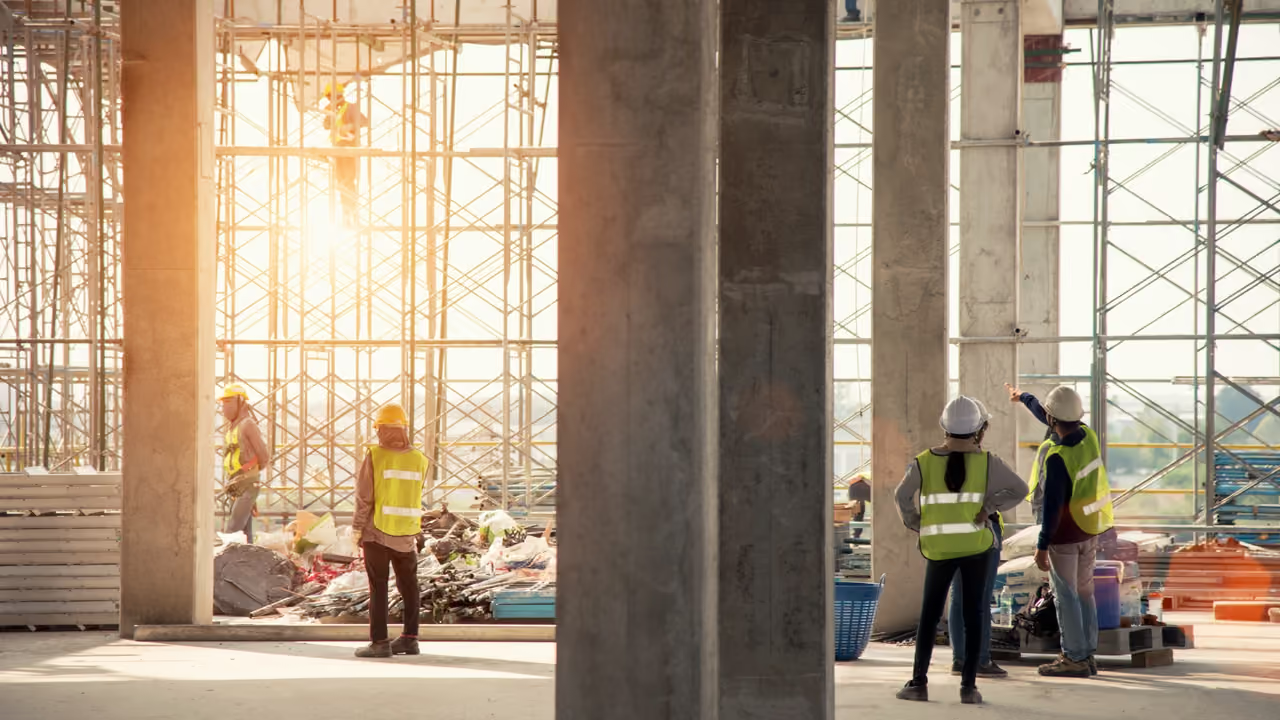
In a small town nestled between rolling hills, a construction crew paused their work after uncovering ancient stone foundations beneath what was supposed to be a parking lot. Instead of bulldozing ahead, the project managers shifted their focus, bringing in archaeologists and historians to understand the find. This unexpected detour enriched the project, transforming it from a routine build into a celebration of the town’s roots. This story illustrates how considering cultural heritage in project planning can deepen a construction project’s value far beyond technical blueprints and deadlines.
Understanding cultural heritage and its relevance to modern projects
Cultural heritage encompasses the tangible and intangible legacies passed down through generations—historic buildings, landscapes, artifacts, traditions, and even languages. In construction, it often means recognizing and respecting these elements within the project’s scope. This awareness isn’t just about preserving the past for nostalgia’s sake; it connects communities to their identity and provides continuity in rapidly changing environments.
Modern projects that ignore cultural heritage risk erasing stories embedded in the land. More than aesthetic considerations, heritage ties into social cohesion, tourism potential, and even environmental sustainability. For example, preserving a century-old building may encourage adaptive reuse, a practice that reduces waste and energy consumption compared to demolition and new construction.
Strategies for integrating cultural heritage assessments into the planning phase
Incorporating cultural heritage begins well before the first shovel hits the ground. Here are essential strategies that project planners can adopt:
- Early research and consultation: Engage historians, archaeologists, and local communities early to identify any cultural assets or sensitive sites.
- Heritage impact assessments: Conduct thorough evaluations to understand how the project might affect cultural resources and what mitigation measures are needed.
- Flexible design approaches: Adapt plans to incorporate or protect heritage elements rather than removing them outright.
- Regulatory compliance: Align with local, national, or international heritage preservation laws and guidelines to avoid legal pitfalls.
- Community engagement: Involve stakeholders to ensure the project respects local values and gains broader support.
By embedding these steps into the planning phase, projects can anticipate challenges and opportunities related to heritage, making them part of the project’s DNA rather than an afterthought.
Balancing heritage preservation with project efficiency and innovation
One common misconception is that heritage preservation slows down projects and inflates costs. While preservation can introduce complexities, it also sparks creative solutions that blend old and new. Architects and engineers often find inspiration in heritage elements, incorporating them in ways that enhance aesthetics and functionality.
For instance, retaining a historic façade while building a modern structure behind it preserves visual continuity and cultural resonance. Innovative materials and construction techniques can protect fragile artifacts and stabilize ancient structures without compromising project timelines.
Efficiency doesn’t have to be sacrificed either. With careful scheduling and clear communication among teams, heritage considerations can align with milestones. In some cases, heritage integration becomes a unique selling point, adding cultural cachet that can attract funding, tenants, or visitors.
Case studies highlighting successful cultural heritage integration in construction projects
The High Line Park, New York City
Once an abandoned elevated railway, the High Line was transformed into a public park that celebrates industrial heritage while serving contemporary urban needs. Planners preserved the rail tracks and integrated native plantings, creating a green space that honors the site’s history and revitalizes the neighborhood. This project demonstrates how heritage can be a catalyst for innovative urban design.
Royal Ontario Museum Expansion, Toronto
The Michael Lee-Chin Crystal addition to the museum juxtaposes a striking, angular glass structure with the original heritage building. Designers navigated preservation requirements by protecting the existing façade and foundations while introducing a bold new architectural statement. The project respects cultural history and pushes design boundaries simultaneously.
Granada Cathedral Restoration, Spain
During restoration work, teams uncovered centuries-old mosaics and architectural details. Instead of covering or removing these finds, the project integrated them into the visitor experience with glass floors and interpretive exhibits. This approach enriches the site’s cultural narrative and deepens visitors’ connection.
These examples show that cultural heritage considerations do more than protect relics; they create richer, more meaningful environments that resonate across generations.