Buildwise
Faster Problem Solving in Construction Teams
By Buildwise Editorial4 min read
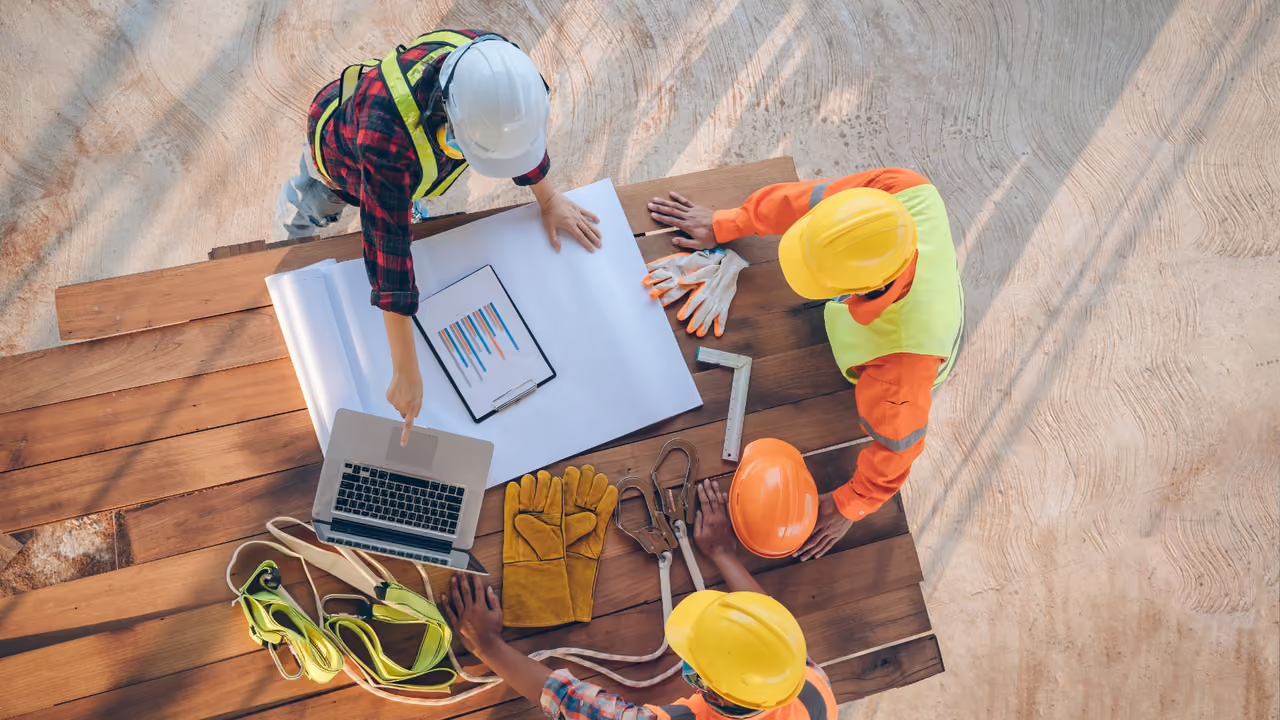
Construction projects often feel like a world apart from software development, yet the challenges of managing timelines, coordinating diverse teams, and adapting to unexpected changes are strikingly similar. Software developers have long tackled these issues with structured project management frameworks like Agile and Scrum, which prioritize flexibility, communication, and incremental progress. When construction teams borrow these principles, the result can be a dramatic boost in efficiency and collaboration, transforming how projects unfold from blueprint to build.
Understanding Agile and Scrum in Construction Contexts
Agile is more than a buzzword; it’s a mindset that values responsiveness and continuous improvement over rigid planning. Scrum, a popular Agile methodology, breaks work into short, manageable cycles called sprints, with regular check-ins and adjustments. Although originally designed for software, these ideas fit surprisingly well in construction.
In construction, applying Agile means shifting from a linear, waterfall approach—where one phase finishes completely before the next begins—to a more flexible process. Instead of waiting months for a full project plan, teams create smaller, goal-oriented segments they can review and adapt quickly. Scrum ceremonies such as daily stand-ups or sprint reviews keep everyone aligned and accountable, revealing potential issues early.
Why does this matter in construction?
- Faster problem detection: Regular progress updates mean delays or defects are spotted sooner, not at the end.
- Greater transparency: Everyone, from architects to subcontractors, understands current priorities and challenges.
- Improved flexibility: Changes in design or site conditions can be incorporated without derailing the entire timeline.
Breaking Down Silos Enhancing Collaboration Among Diverse Construction Teams
Construction projects involve a mosaic of specialists: engineers, electricians, plumbers, project managers, and more. Traditionally, these groups operate in silos, communicating in fits and starts, sometimes leading to misaligned expectations and costly rework.
Agile methodologies dismantle these barriers by fostering continuous communication and collective ownership. Daily stand-ups, for example, are short meetings where each team member shares what they did yesterday, what they plan to do today, and any blockers they face. This practice keeps everyone on the same page and surfaces interdependencies.
Moreover, Scrum’s emphasis on cross-functional teams encourages collaboration across disciplines. Instead of working in isolation until a phase’s completion, teams collaborate on overlapping tasks, sharing knowledge and adjusting workflows in real time.
- Better coordination: Teams anticipate and resolve conflicts before they escalate.
- Shared accountability: Success or failure is collective, not isolated.
- Enhanced morale: Open communication reduces frustrations stemming from misunderstandings.
Iterative Planning Adapting to Changes Mid-Project without Major Delays
In construction, unforeseen conditions—weather, supply delays, design changes—are inevitable. Traditional project plans struggle to accommodate these without triggering cascading delays and cost overruns.
Agile’s iterative planning tackles this head-on by breaking the project into smaller chunks that are planned, executed, and reviewed in cycles. After each cycle, teams assess progress and realign priorities. If a change arises, it can be integrated into the next sprint rather than forcing wholesale replanning.
For example, if a structural engineer identifies a critical design flaw midway, the team can react promptly, adjusting the upcoming work segments to address the issue without stopping everything. This approach minimizes downtime and keeps momentum going.
Flexibility doesn’t mean chaos; it demands disciplined communication and trust that adjustments benefit the whole.
Measuring Success Using Continuous Feedback Loops to Improve Construction Outcomes
One of Agile’s strengths is its reliance on frequent feedback loops, which provide real-time data on what’s working and what isn’t. In software, this might mean user testing after each sprint. In construction, feedback can come from quality inspections, site walkthroughs, or client check-ins done regularly instead of just at milestones.
These feedback loops create a dynamic learning environment. For instance, if a subcontractor reports recurring issues with material deliveries, the team can investigate and adapt procurement strategies immediately, rather than discovering the problem only after significant delays.
Collecting and acting on continuous feedback improves quality, reduces waste, and enhances client satisfaction. It also helps teams refine their processes sprint by sprint, turning lessons learned into lasting improvements.
- Quality assurance: Problems are caught early and corrected swiftly.
- Client involvement: Buyers and stakeholders stay engaged and informed throughout.
- Process refinement: Each cycle builds on the last, making the team more efficient over time.
Bringing software project management principles into construction is not about turning builders into coders. It’s about embracing adaptability, fostering communication, and breaking down traditional barriers. Agile and Scrum offer tools and frameworks that help construction teams navigate complexity with greater confidence and collaboration, often with surprisingly simple practices that drive big results.