Buildwise
Five Ways Drones Cut Inspection Risks
By Buildwise Editorial3 min read
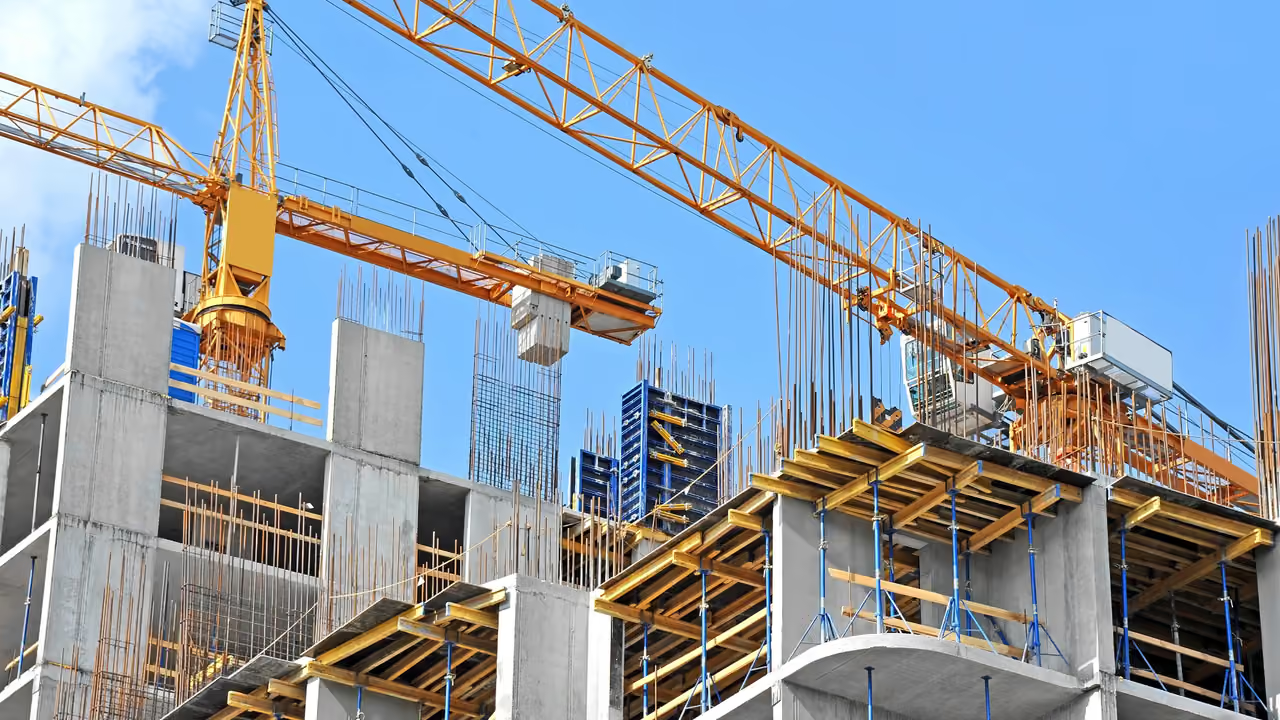
When an inspector scaled the scaffolding of a half-built skyscraper last year in Chicago, he took a calculated risk. The structure was unstable, safety harnesses were cumbersome, and the wind picked up unpredictably. Traditional site inspections like this have long been a hazardous, time-consuming necessity. But what if that inspector could check every nook and cranny without stepping foot on the unstable platforms? Drone technology is making this possible, revolutionizing how construction sites are inspected for safety and efficiency.
Traditional Site Inspections Limitations and Risks
Construction sites are chaotic environments. Inspectors have to navigate uneven terrain, climb ladders or scaffolding, and sometimes access hard-to-reach areas under tight deadlines. All this while carrying tools and documentation. This exposes them to falls, equipment accidents, and the general unpredictability of active work zones.
Beyond safety concerns, traditional inspections are slow. An inspector might only cover a portion of the site in a day, delaying problem detection. Often, the process relies heavily on manual note-taking and subjective observations, which can lead to inconsistent reporting and missed hazards. The limitations in speed and scope directly impact project timelines and budgets.
The Rise of Drones Capabilities and Practical Applications in Construction
Enter drones—compact, agile, and equipped with high-resolution cameras and sensors. These unmanned aerial vehicles can sweep across entire construction sites in minutes, capturing detailed images and videos from perspectives impossible or dangerous for humans.
Modern drones come with GPS, thermal imaging, and LiDAR sensors, enabling precise topographical maps and structural analysis. They can fly under scaffolding, peer into confined spaces, and monitor areas that would otherwise require complex rigging or heavy machinery.
Practical applications include:
- Progress monitoring: Frequent aerial surveys provide real-time updates on construction phases, helping project managers track milestones accurately.
- Safety inspections: Identifying hazards like unstable structures, electrical risks, or material placement without exposing personnel.
- Quality control: Detecting defects, misalignments, or compliance issues early through high-definition imaging.
- Inventory management: Quickly scanning stockpiles of materials to maintain supply chain efficiency.
Case Studies Improved Safety Outcomes and Time Savings with Drone Inspections
In New York, a major construction firm integrated drones into their inspection routines for a large multi-story office building. The drones identified structural weaknesses in temporary supports weeks before traditional inspections would have. This early detection prevented potential collapse, saving lives and costly delays.
Another example comes from a highway expansion project in California. Inspectors using drones cut their site survey time from three days to just five hours. This acceleration allowed for faster decision-making and minimized downtime for construction crews. The company reported a 40% reduction in safety incidents related to inspection activities because workers no longer needed to climb precarious structures.
Across the board, companies adopting drone technology have noted improved accuracy and richer data sets. Digital records from drone flights create an audit trail that is easily shared and reviewed, improving transparency and accountability.
Future Prospects Integrating AI and Real-Time Data for Proactive Site Management
Drones are just the beginning. The real game changer lies in combining drone data with artificial intelligence. AI algorithms can analyze imagery in real time, spotting anomalies, predicting structural failures, and suggesting corrective actions before problems escalate.
Imagine a construction site where drones continuously patrol, streaming live data to a central hub. AI systems flag potential risks instantly—like identifying a loose beam or hazardous debris—and alert onsite teams. This proactive approach shifts construction safety from reactive inspections to continuous monitoring.
Moreover, integrating drone data with Building Information Modeling (BIM) allows for dynamic updates to construction plans. Managers can visualize progress against models and adjust workflows on the fly, increasing efficiency and reducing costly rework.
As battery technology improves and regulations adapt, drones will become more autonomous, able to operate in complex urban environments with minimal human control. The synergy of drones, AI, and IoT sensors promises a future where construction sites are safer, smarter, and more productive than ever before.