Buildwise
Lessons from Old Ruins for New Homes
By Buildwise Editorial3 min read
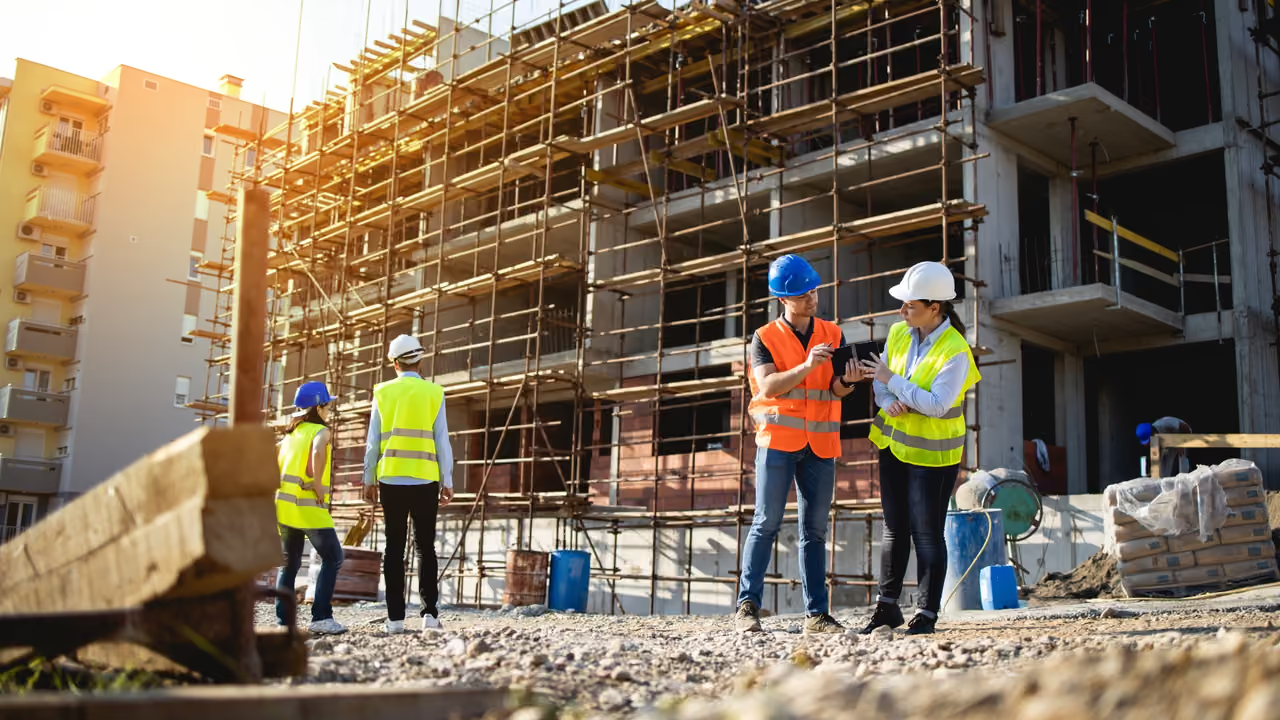
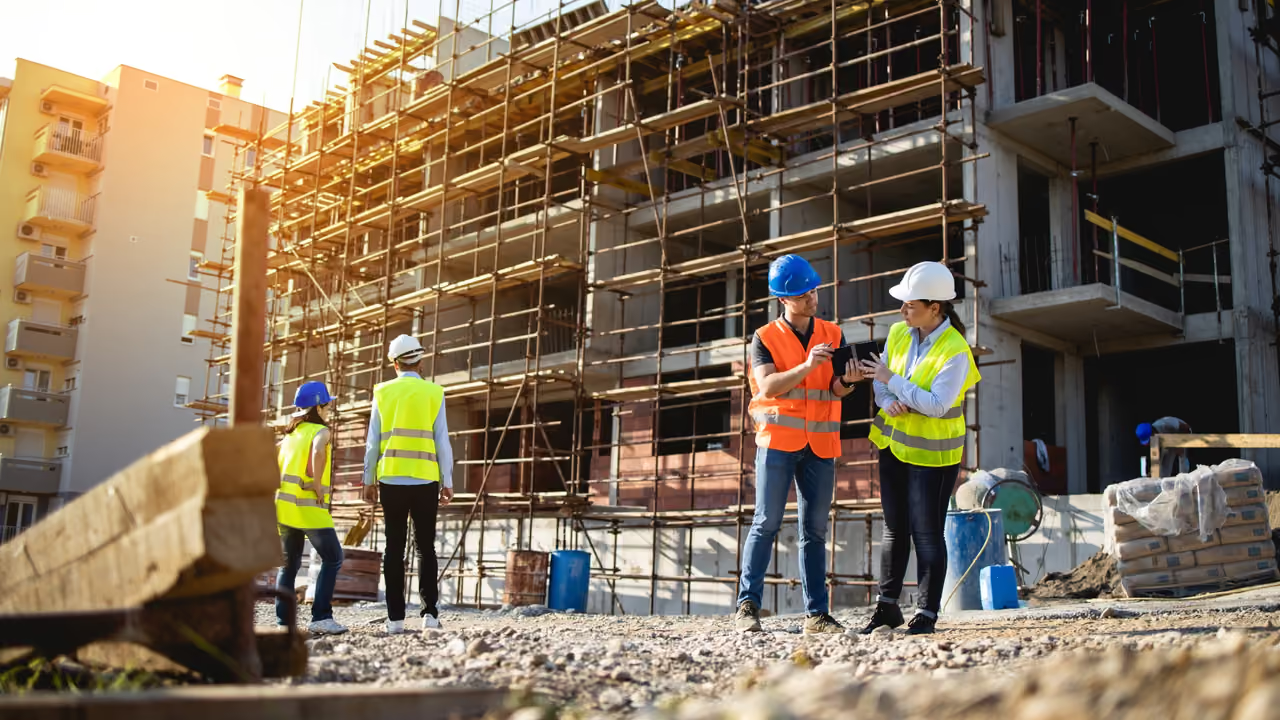
Walk through any ancient ruin—Mayan temples, Roman aqueducts, or even simple wattle and daub cottages—and you’ll notice something striking. These structures have lasted centuries without plastics, steel reinforcements, or synthetic insulation. Instead, they used natural materials like stone, clay, wood, and fibers. These materials were not only common but also perfectly suited to their environments, offering durability, breathability, and often surprising thermal comfort.
Natural Materials and Their Time-Tested Qualities
For thousands of years, civilizations used natural materials to build homes and monuments. Adobe bricks, made from sun-dried earth and straw, kept desert heat at bay. Timber frames, both flexible and strong, helped buildings survive earthquakes in Japan and Scandinavia. Lime plaster, a mix of limestone and sand, created breathable walls that managed moisture and stopped mold.
These materials did more than just fill a need. They reacted to their surroundings. Stone and clay’s porous nature helped control indoor humidity. Wooden beams expanded and shrank with temperature changes, reducing cracks. They were sourced locally, cutting down on transport and environmental harm. These ancient buildings were early examples of sustainable architecture, long before the phrase existed.
Modern Sustainable Building Faces Complex Challenges
Today’s construction faces tough problems. Urban growth, climate change, and shrinking resources raise the stakes. Most buildings rely on concrete and steel, which have large carbon footprints. The cement industry alone makes up about 8% of global CO2 emissions.
Modern buildings often focus on airtightness and synthetic insulation to save energy. But these can trap moisture and harm indoor air quality. The challenge is clear: find materials that cut environmental impact during their whole life and create healthier, adaptable spaces.
Innovations Inspired by Ancient Wisdom
Architects and scientists are turning back to nature’s toolbox. They mix old knowledge with new tech to remake building materials. Here are some examples:
- Bio-Composite Bricks mix agricultural waste like rice husks or hemp fibers with clay or lime. These bricks are light, insulating, and biodegradable, inspired by adobe.
- Mycelium-Based Insulation uses fungi root networks grown into dense mats. These panels resist fire and mold and can fully compost, echoing ancient fiber composites.
- Self-Healing Concrete copies natural repair found in coral reefs and bones. It contains bacteria that produce calcium carbonate, sealing cracks and extending life.
- Wood Treatments from Traditional Methods use old techniques like charring wood surfaces (shou sugi ban) to make timber last longer without toxic chemicals.
These methods show a move away from “one-size-fits-all” materials to ones that fit their environment and cut waste.
The Role of Biomimicry in Material Science
Biomimicry means learning from nature’s designs, not just raw materials. Researchers study how natural composites balance strength and flexibility. Take nacre, the shiny lining inside mollusk shells. It is both hard and tough. Engineers copy these tiny structures to make panels and coatings that are strong but light.
Natural ventilation methods from ancient Middle Eastern wind towers are also making a comeback. These designs cut the need for mechanical cooling. Mud bricks and palm wood used in these towers help keep temperatures steady.
Future Horizons for Bio-Inspired Architecture
As 3D printing and synthetic biology grow, the line between living things and building materials fades. Imagine walls that grow, heal, and change like living tissue. Scientists are testing bacteria that make bioplastics on site or algae panels that produce oxygen and absorb carbon dioxide.
These ideas could change sustainability. Buildings might become active parts of their ecosystems, not just resource users. Ancient use of natural materials came from need and observation. Today, it’s a clear choice to align homes with the health of the planet.
In practice, architects and builders will choose materials that tell stories of place, culture, and nature. The past holds deep wisdom, proving that progress sometimes means going back to the roots of building—literally and figuratively.