Buildwise
Material Reuse Strategies for Builders
By Buildwise Editorial4 min read
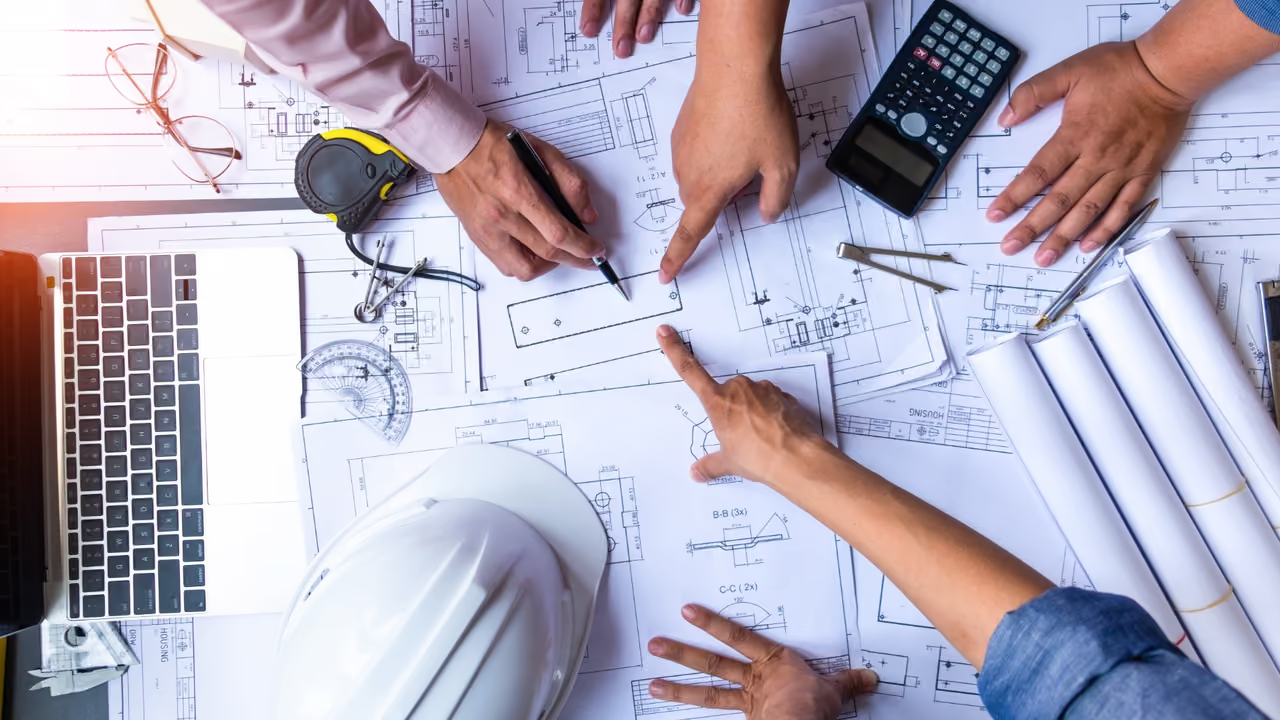
How can the construction industry cut down waste, save money, and protect the environment all at once? The answer lies in embracing the circular economy—a model that challenges the traditional "take, make, dispose" mindset. This approach is not just a trend but a necessary shift that can transform how we build, reduce environmental impact, and improve project economics.
Understanding Circular Economy in Construction
The circular economy in construction means designing, building, and managing projects in a way that materials and resources stay in use for as long as possible. Instead of discarding materials after a single use, circularity encourages reuse, recycling, and regeneration. This approach contrasts sharply with the linear model where buildings are demolished, and materials are often landfilled or downcycled.
In practical terms, it means thinking beyond the immediate project and considering the entire lifecycle of materials. It involves selecting durable materials, planning for future disassembly, and creating systems where waste is minimized or transformed into new inputs. This mindset shift is crucial because construction and demolition waste account for a significant portion of global landfill mass and resource consumption.
Implementing Material Reuse and Recycling on Site
One of the most straightforward ways to apply circular economy principles is by reusing and recycling materials directly on construction sites. Salvaging bricks, timber, steel, and concrete from demolition can significantly reduce the need to purchase new materials. This not only cuts costs but also lowers the carbon footprint associated with manufacturing and transporting new supplies.
For example, crushed concrete can be reused as aggregate for road bases or foundations, and reclaimed wood can serve as structural elements or finishes. Steel offcuts and scrap can be melted down and recycled with minimal loss of quality. By establishing on-site sorting stations and working closely with demolition teams, contractors can separate materials effectively, ensuring they enter the right recycling channels.
Some projects even take it a step further by partnering with local recyclers or setting up temporary processing facilities near the site. This reduces transportation emissions and turnaround times. The key is to integrate these processes into the project schedule from the start, rather than treating recycling as an afterthought.
Tools and Techniques to Support On-Site Circularity
- Material inventories: Conduct detailed audits of existing materials before demolition to plan for reuse.
- Modular construction: Use prefabricated components that can be easily disassembled and reused.
- Advanced sorting technology: Employ sensors and automated systems to separate materials efficiently.
Designing for Disassembly Planning for the Future
Designing with future reuse in mind is where circular economy principles become truly powerful. Known as Design for Disassembly (DfD), this approach ensures buildings can be taken apart easily without damaging materials. It requires careful selection of connections, fasteners, and assembly methods that prioritize removability over permanence.
Instead of using adhesives or permanent welds, designers opt for bolts, screws, and clips that can be undone. Structural elements are standardized and modular to simplify replacement and upgrade. This forward-thinking design makes maintenance easier, extends the building’s lifespan, and preserves the value of materials at the end of use.
Planning for disassembly also involves documenting building components in a digital format—sometimes called a "material passport." This digital record details what materials are used, where they are located, and how they can be removed and reused. It becomes a vital asset for future renovations or demolitions, enabling quick decisions that prevent unnecessary waste.
Examples of Design for Disassembly Features
- Interlocking floor panels that can be lifted and reused.
- Non-permanent cladding systems attached with removable fixings.
- Mechanical rather than chemical fastening of insulation materials.
Economic and Environmental Benefits of Circular Practices
Adopting circular economy principles is not just good for the planet—it makes sound financial sense. Material reuse and recycling reduce the need for purchasing new raw materials, which often come with volatile prices and supply chain risks. Lower material costs directly improve project budgets.
Moreover, waste disposal is expensive. Landfill fees, transport costs, and regulatory compliance add up quickly. Reducing waste volume through circular practices can save thousands, if not millions, on large-scale projects. Some governments and local authorities also offer incentives or tax breaks for sustainable building methods, further improving the economic picture.
The environmental gains are substantial. Cutting down on raw material extraction preserves natural habitats and reduces greenhouse gas emissions. Recycling materials typically uses less energy than producing new ones, shrinking the project’s carbon footprint. By keeping materials in use longer, we also reduce the demand for finite resources, supporting long-term sustainability.
Finally, circular practices improve a company’s reputation. Clients and investors increasingly demand environmentally responsible construction, and circular economy integration becomes a competitive advantage. It signals innovation and commitment to sustainability, which can open doors to new markets and partnerships.