Buildwise
Rapid Deployment Shelters Made from Bamboo
By Buildwise Editorial5 min read
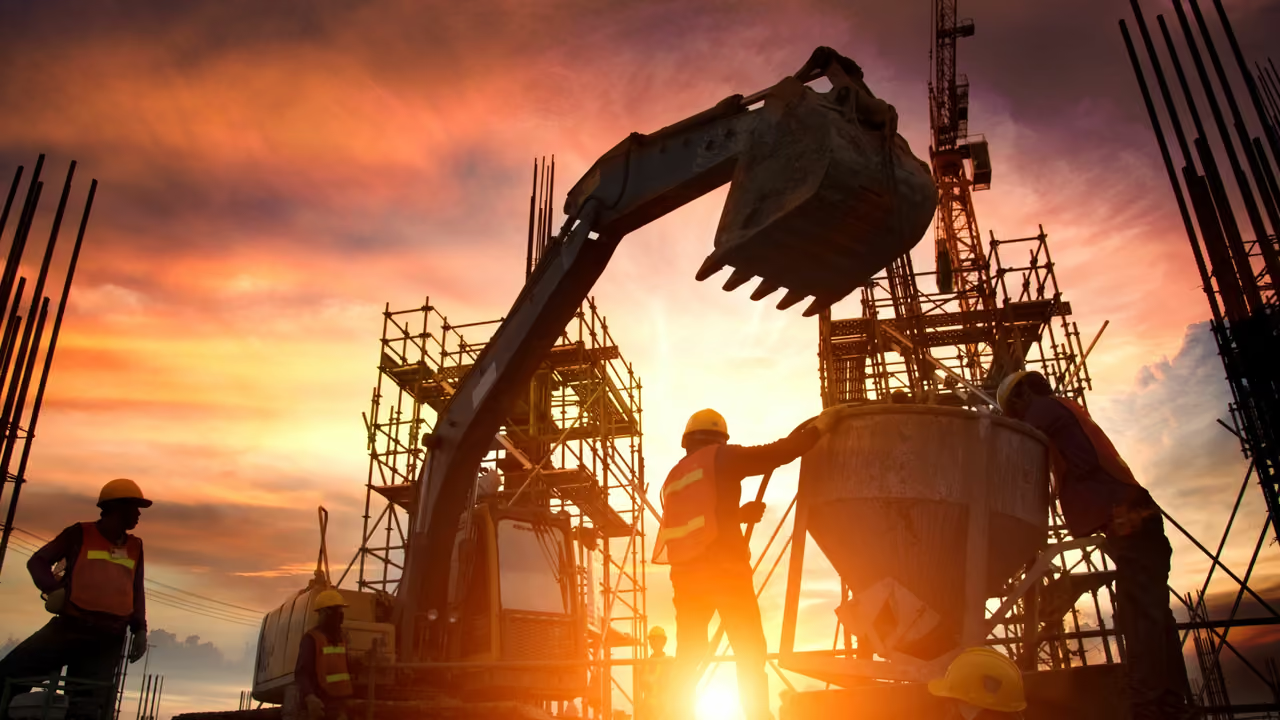
In construction, the default choice often leans heavily on familiar materials—concrete, steel, wood, and brick. These have proven reliable for generations, but when projects push into extreme environments or demand unique performance criteria, these traditional materials can fall short. This gap has prompted architects, engineers, and builders to explore less common, unconventional materials that rise to challenges standard options simply can’t meet.
The Limitations of Conventional Construction Materials in Extreme Environments
Concrete is the backbone of modern construction, but it’s vulnerable to cracking under freeze-thaw cycles in cold climates and can degrade rapidly in saline coastal settings. Steel offers strength but corrodes without extensive maintenance in humid or marine environments. Wood may be renewable and versatile but struggles with pests, rot, and fire resistance. These weaknesses create significant challenges when the environment is harsh or the design calls for extraordinary durability or flexibility.
For instance, in seismic zones, rigid materials like standard concrete and brick can’t absorb shocks well, leading to catastrophic failures. In desert regions, intense heat and sand abrasion erode surfaces quickly. Arctic construction faces the challenge of permafrost thawing, which undermines foundations made from typical materials. These scenarios expose the limits of conventional choices and highlight the need for innovation in material selection.
Case Studies Unusual Materials Overcoming Specific Building Hurdles
Rammed Earth in Earthquake-Prone Areas
Rammed earth, an ancient technique reinvented with modern engineering, uses compacted soil with stabilizers like lime or cement. Unlike brittle concrete walls, rammed earth has impressive thermal mass and a degree of flexibility that makes it surprisingly resilient during seismic activity. Projects in New Zealand and California have demonstrated that when properly engineered, rammed earth can meet modern building codes and outperform concrete in absorbing earthquake energy.
Bamboo for Rapidly Deployable Structures
Bamboo isn’t just for furniture or landscaping; it’s a high-strength, lightweight material that grows quickly and is incredibly sustainable. In regions like Southeast Asia and parts of Africa, bamboo is being used for emergency shelters and low-cost housing that must be erected quickly with minimal machinery. Its natural flexibility and tensile strength allow it to withstand high winds better than many traditional framing materials.
Mycelium-Based Composites for Insulation and Fire Resistance
Mycelium, the root structure of fungi, has emerged as a promising material for insulation and fireproof panels. It’s biodegradable, grown from agricultural waste, and provides excellent thermal and acoustic insulation. Some experimental buildings in North America and Europe incorporate mycelium composites to reduce reliance on synthetic insulation materials, offering a natural alternative that also resists mold and pests better than fiberglass.
Ultra-High-Performance Concrete in Marine Environments
Standard concrete often succumbs to chloride-induced corrosion in marine settings. Ultra-high-performance concrete (UHPC), formulated with fine powders and fibers, drastically reduces permeability and increases durability. The Øresund Bridge connecting Denmark and Sweden uses UHPC components that withstand constant saltwater exposure and freeze-thaw cycles, extending the structure’s lifespan far beyond what traditional concrete could manage.
Balancing Cost Performance and Sustainability with Unconventional Options
One common objection to unconventional materials is cost. Often, these materials carry higher upfront expenses due to novelty, specialized labor, or sourcing difficulties. However, evaluating materials solely on initial cost misses the bigger picture. Lower maintenance, longer lifespan, and better environmental performance frequently tip the scales in favor of innovative choices.
For example, bamboo’s rapid renewability and low processing energy reduce the embodied carbon footprint dramatically compared to steel or concrete. Mycelium composites can be grown on-site at low cost using local waste products, reducing transportation emissions and waste. Ultra-high-performance concrete extends service life and reduces repair costs, which can offset higher initial spending.
Performance is another crucial axis. Materials that handle specific challenges—whether seismic loads, moisture, salt, pests, or fire—reduce the risk of costly failures or retrofits. Sustainability also increasingly influences decisions, with clients and regulators demanding materials that lower environmental impact. The most successful projects find a pragmatic balance between these factors, tailoring material choices to the project’s unique conditions rather than defaulting to the usual suspects.
Guidelines for Integrating Innovative Materials in Project Planning and Execution
- Early Assessment of Site Conditions
Understand the environmental stresses your project will face. Soil composition, climate extremes, seismic risk, and exposure to chemicals or saltwater all dictate material suitability. - Collaborate with Specialists
Innovative materials often require expertise beyond standard construction knowledge. Engage material scientists, specialized contractors, and manufacturers early to evaluate feasibility and performance data. - Prototype and Test
Where possible, build mock-ups or small-scale models to observe how the material behaves in real-world conditions. Testing helps reveal unforeseen issues with installation or durability. - Consider Lifecycle Costs
Include maintenance, repair, and end-of-life disposal in budget calculations. Some unconventional materials may reduce ongoing expenses even if initial costs are higher. - Address Regulatory Compliance
Ensure innovative materials meet local building codes and standards. This might involve additional certification or documentation but is essential to avoid costly delays. - Train the Workforce
Construction crews unfamiliar with unconventional materials need specific training to handle, install, and maintain them properly. - Communicate with Stakeholders
Clients, investors, and end users must understand the benefits and risks associated with nontraditional choices. Transparency builds confidence and support.
Choosing less common materials isn’t about abandoning tradition; it’s about expanding the toolbox. When facing challenges that concrete and steel can’t solve efficiently or sustainably, turning to rammed earth, bamboo, mycelium composites, or advanced concretes can deliver smarter, more resilient buildings. The key is thoughtful integration that respects the project’s unique demands rather than blindly following convention.