Buildwise
Why Wood and Stone Are Making a Comeback
By Buildwise Editorial3 min read
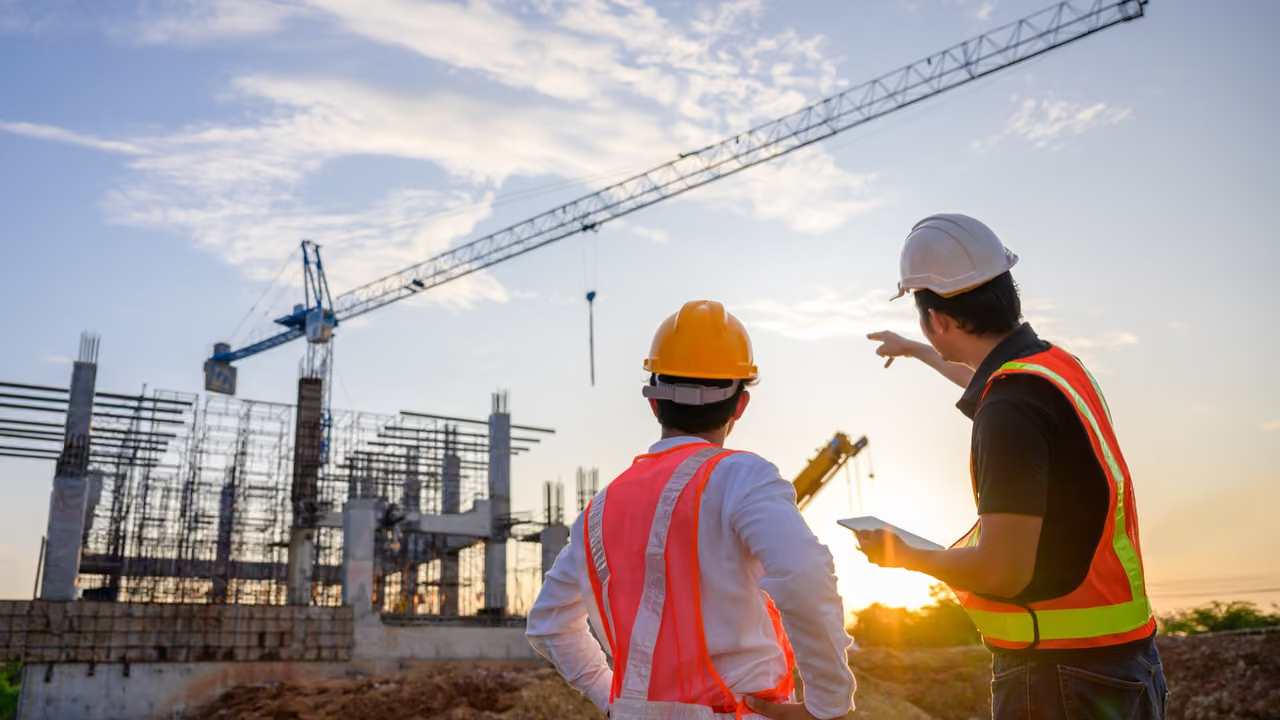
Materials that have stood the test of time reveal more than just their physical endurance; they tell stories of adaptability and a deep connection to the environment. In an age where sustainability in architecture is not just preferred but necessary, these traditional materials offer invaluable lessons. Their longevity and versatility are guiding principles for architects seeking to build responsibly without sacrificing beauty or function.
Understanding the Durability of Traditional Construction Materials
Stone, clay, wood, and lime have been the backbone of construction for millennia. Their durability is not accidental but a result of natural properties honed by centuries of use. Stone, for example, resists weathering and erosion in ways that modern concrete sometimes struggles to match. Timber, when properly treated and selected, can last for centuries, as evidenced by ancient wooden temples and homes found around the world.
The longevity of these materials often stems from their ability to interact harmoniously with their surroundings. Clay bricks, fired at specific temperatures, develop a robust structure that withstands temperature swings. Lime mortar, unlike modern cement, remains flexible, allowing buildings to breathe and shift slightly without cracking. This natural resilience reduces the need for frequent repairs or replacements, diminishing resource consumption over time.
Adaptability of Natural Materials in Modern Designs
Modern architects are rediscovering the adaptability of traditional materials, leveraging their inherent qualities to meet contemporary design challenges. Natural materials are not just relics of the past; they are dynamic resources that can be shaped, combined, and engineered to fit new purposes.
- Wood: Engineered wood products like cross-laminated timber (CLT) marry traditional timber’s warmth with modern strength, enabling the construction of tall, sustainable buildings.
- Earth: Techniques like rammed earth and cob construction are being revived with improved methods, enhancing insulation and moisture control.
- Stone and Brick: Reclaimed stone and brick are incorporated into facades and interiors, providing texture and thermal mass while reducing waste.
These materials’ adaptability lies not only in their physical properties but also in their cultural resonance. Incorporating traditional elements often fosters community identity and emotional connection, which are crucial for sustainable development beyond mere environmental metrics.
Case Studies Reviving Ancient Materials for Contemporary Use
Around the world, architects are embracing age-old materials to create structures that are both modern and sustainable.
- The Tofuku-ji Temple, Kyoto: This ancient wooden temple has inspired the use of untreated timber in modern Japanese architecture, emphasizing natural aging and minimal chemical treatment.
- The Earth House Project, Switzerland: Utilizing rammed earth walls, this project demonstrates how natural insulation and thermal mass can drastically reduce energy consumption in cold climates.
- The Bullitt Center, Seattle: Known as the greenest commercial building, it features extensive use of reclaimed wood and stone, marrying traditional materials with cutting-edge sustainability technology.
These examples underscore how traditional materials are not stuck in history but are actively shaping the future of sustainable architecture.
Challenges and Benefits of Integrating Traditional Materials in Sustainable Architecture
Despite their many advantages, incorporating traditional materials into modern construction is not without challenges.
- Availability and Sourcing: High-quality natural materials can be scarce or expensive, especially if local sources have diminished due to urbanization or environmental regulations.
- Building Codes and Standards: Many regulatory frameworks are designed around modern materials, making approvals for traditional construction techniques more complex.
- Skilled Labor: The craftsmanship required for traditional materials is increasingly rare, necessitating training and knowledge preservation.
Yet, the benefits often outweigh the hurdles. Traditional materials typically have a lower embodied energy compared to synthetic alternatives. Their biodegradability and potential for reuse reduce environmental impact. Furthermore, the aesthetic and tactile qualities of natural materials create healthier indoor environments and foster occupant well-being.
Ultimately, sustainable architecture thrives on balance—honoring the wisdom embedded in traditional materials while innovating with modern technology. This blend not only extends the life of buildings but also reconnects us with the natural materials that have supported human civilization for thousands of years.